




The effects of turmeric: How healthy the golden root is
In this article, you will learn about the effects of turmeric on the body, how to best use the root, and which recipes and care tips can support you.


Popular searches
Popular Categories

Turmeric, also known as Indian saffron, has become increasingly well-known in recent years, so that almost everyone has heard of turmeric and its health benefits. The health benefits of turmeric have also been confirmed in scientific studies.
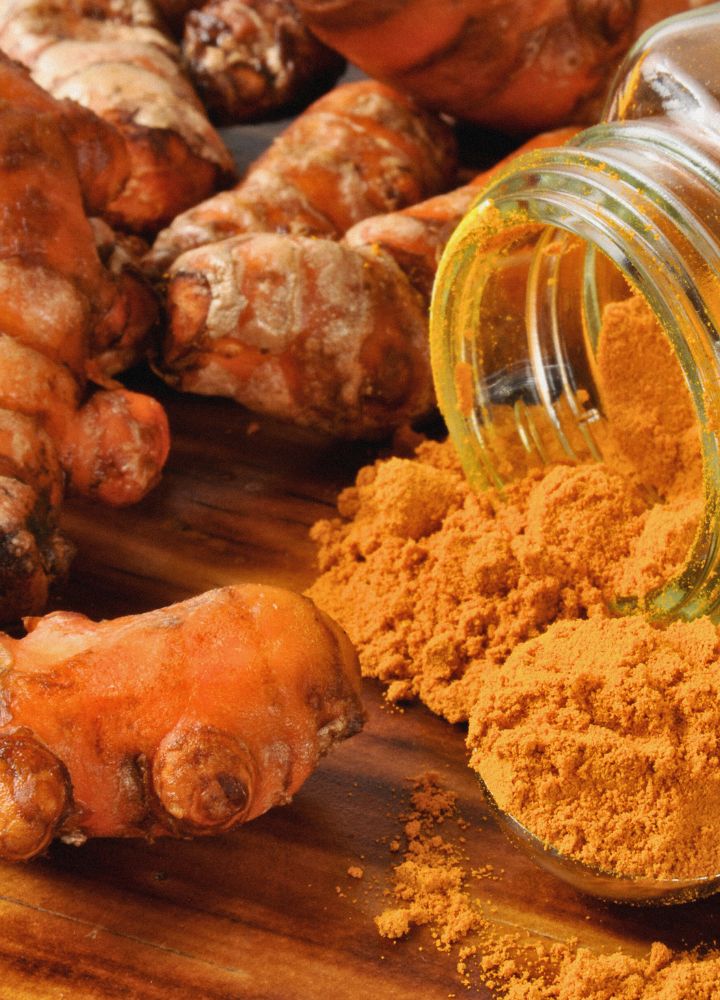
The bright yellow turmeric tuber belongs to the ginger family, but is smaller and has a vibrant orange-yellow interior. As a spice, turmeric can be used fresh or in ground, dried form and easily integrated into everyday life, be it in food, drinks, or in the form of organic turmeric capsules.
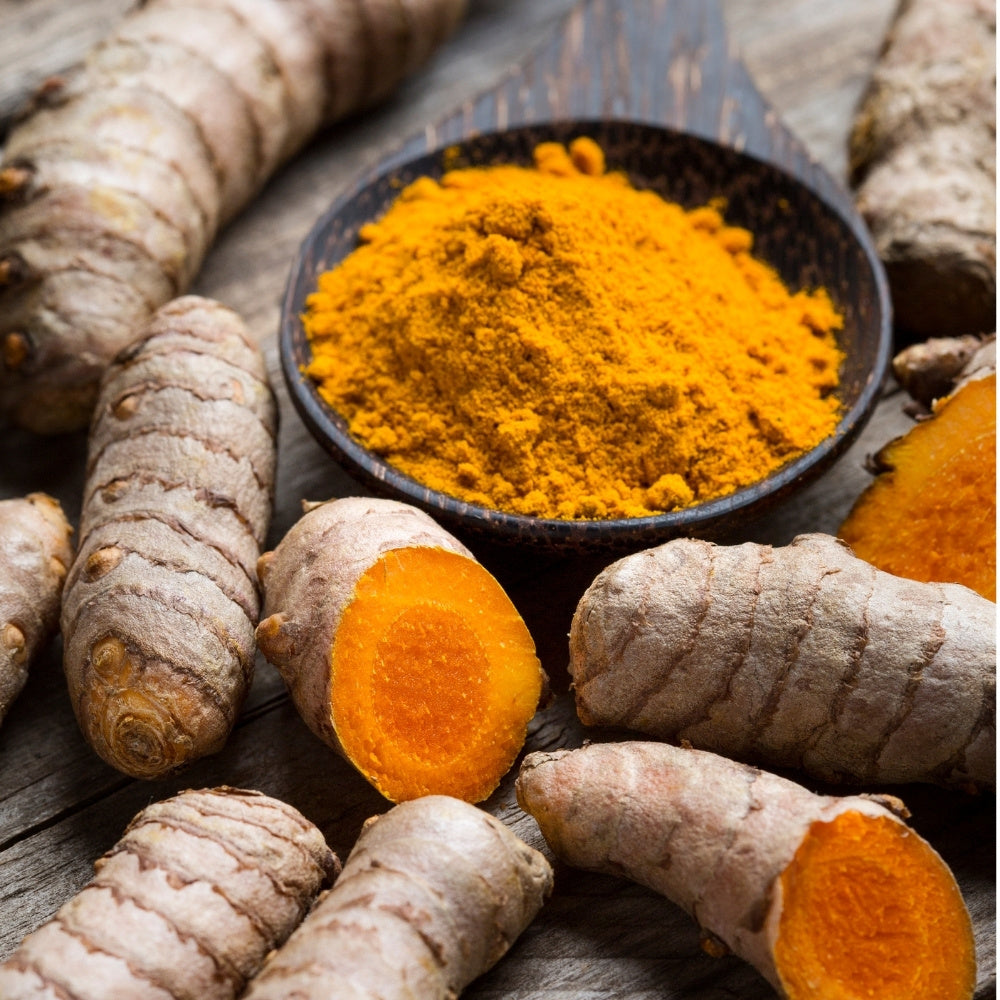
The main active ingredient in turmeric is curcumin, a natural plant compound responsible for the intense color and many of the beneficial effects of turmeric. Curcumin is known for its anti-inflammatory, antioxidant, and metabolism-supporting properties. However, turmeric also contains many other secondary plant compounds, essential oils, and minerals that together form a powerful combination for greater well-being.
One of the best-known effects of turmeric is its anti-inflammatory power. Chronic inflammation is considered a contributing factor to numerous diseases, ranging from cardiovascular problems and joint issues to metabolic disorders.
The curcumin it contains can help regulate these silent inflammations by influencing specific enzymes and signaling pathways in the body. In this way, turmeric can help support balance in the body and promote general well-being.
Turmeric is considered a true miracle of antioxidants. Antioxidants protect our cells from so-called free radicals, which are harmful molecules generated by environmental pollution, stress, or an unhealthy diet. These free radicals can attack cells and lead to premature aging or disease.
Curcumin neutralizes free radicals and stimulates the body to activate its own protective mechanisms. In this way, turmeric supports cell protection in a natural way and helps to reduce oxidative stress. In the long term, this can contribute to more energy, better skin, and a strengthened immune system.
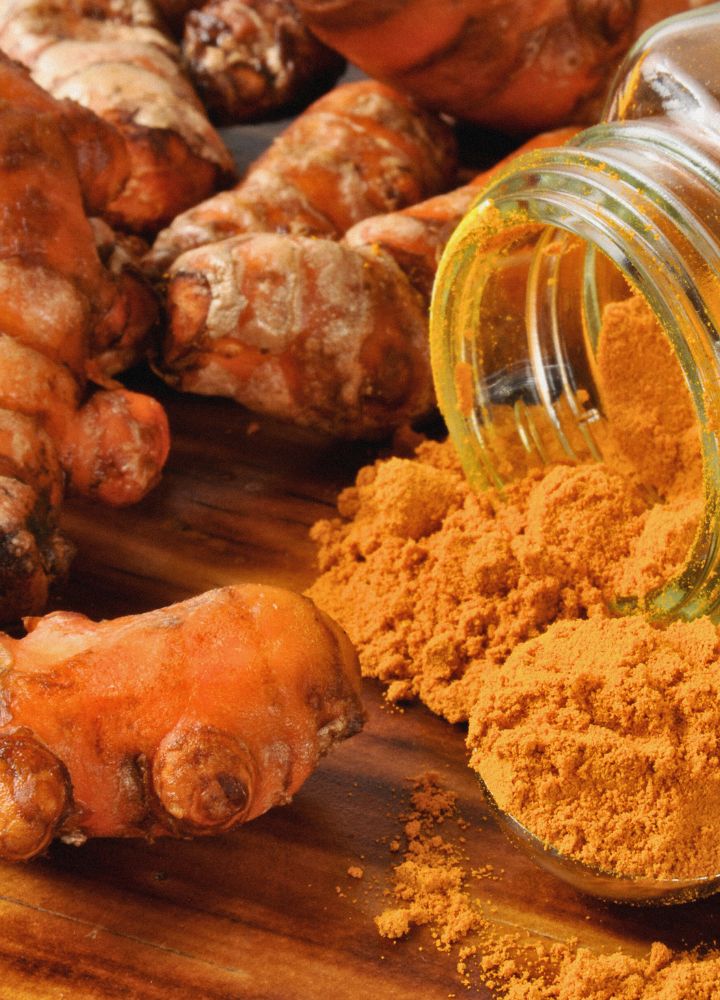
In Ayurveda, turmeric is traditionally used to promote healthy digestion. It stimulates the production of bile, which facilitates fat digestion, and can alleviate bloating, a feeling of fullness, and stomach discomfort.
Turmeric acts as a natural "engine" for digestion, ensuring a pleasant balance in the gastrointestinal tract. This effect is especially pronounced when combined with warm drinks, such as a turmeric tea or golden milk.
If you are looking for the effect of turmeric on sleep, opinions often differ. In fact, there is no clear scientific evidence that turmeric directly promotes sleep or alleviates sleep disorders.
What we do know: Turmeric can be part of a relaxing evening ritual that helps the body and mind to switch off better. The popular golden milk or "moon milk" is a good example of this.
For this, turmeric is mixed with warm (plant-based) milk, a little pepper, cardamom, cinnamon, and optionally honey or vanilla. This evening ritual provides a feeling of comfort and peace through its warmth and gentle spices. This can help you to mindfully wind down at the end of the day, relax your body, and thus settle down more easily in a natural way.
You can find a delicious recipe on Instagram @innersparkle.de, where we show you step-by-step how to prepare your own golden milk with turmeric.

In natural cosmetics and dentistry, turmeric has long been used to alleviate inflammation, swelling, or skin impurities.
A paste made from turmeric powder and coconut oil can help with pimples, minor inflammations, or scars. Turmeric is also used in oral care as a natural alternative to toothpaste and for whitening teeth.
Additionally, turmeric can be incorporated into face masks and scrubs. Due to its antibacterial and antioxidant properties, it helps to refine the skin's appearance and reduce impurities. Especially when combined with honey, yogurt, or aloe vera, it creates a soothing, nourishing mask that gives the skin a beautiful glow.
Note: Turmeric stains heavily. Yellowish skin discoloration will disappear on its own after one to two days, but clothing and towels should be well protected.
Be careful with the intense color
Turmeric can significantly stain skin, textiles, and surfaces yellow. When using homemade masks or pastes, it is therefore best to use towels and clothing where discoloration is not an issue.
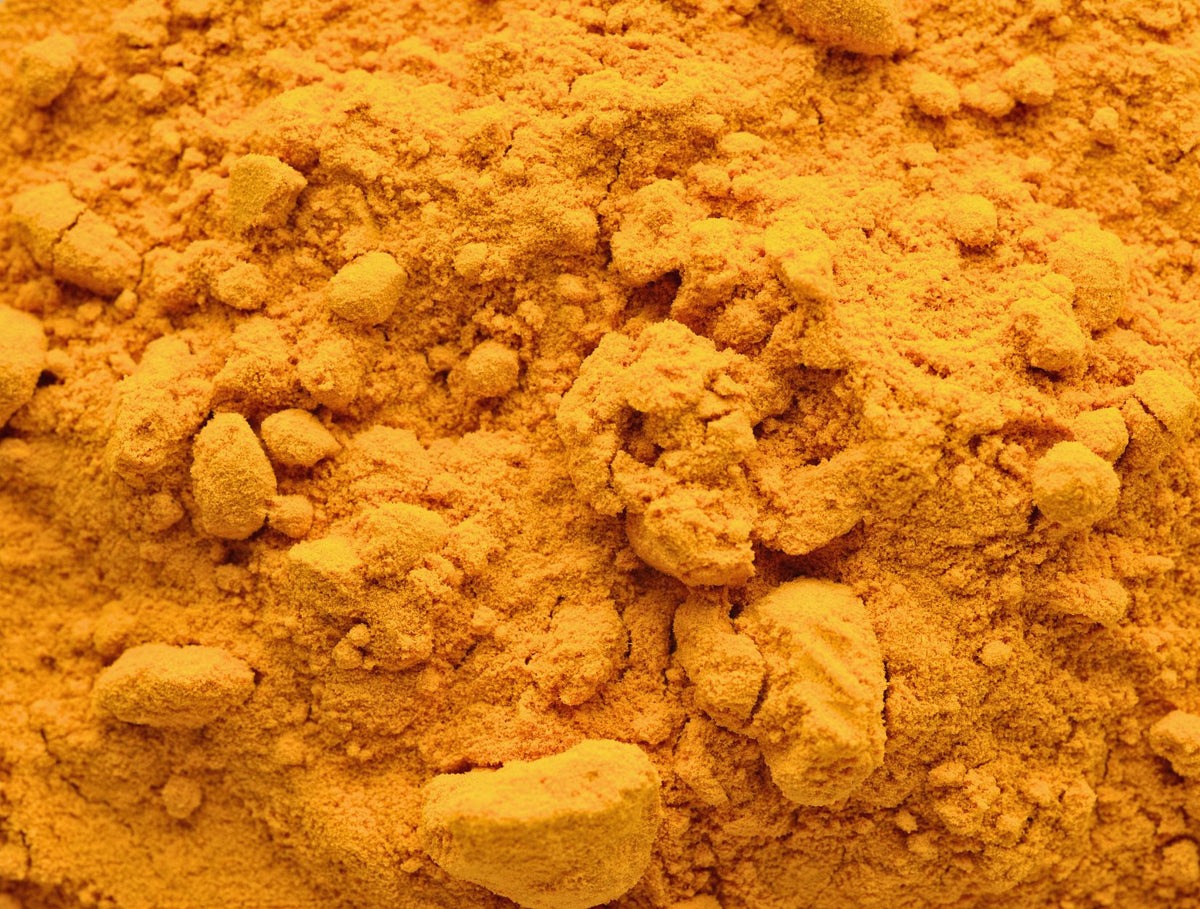
Curcumin, the main active ingredient in turmeric, is poorly absorbed by the body. To ensure the body can make the best use of turmeric's beneficial properties, the right combination plays an important role.
Curcumin is fat-soluble, so it is recommended to always take turmeric with a source of fat, for example with coconut oil or a warm plant-based milk.
It is often advised to combine curcumin with black pepper, as the piperine it contains can increase absorption in the body. However, pepper can also irritate the mucous membranes and is therefore not suitable for everyone.
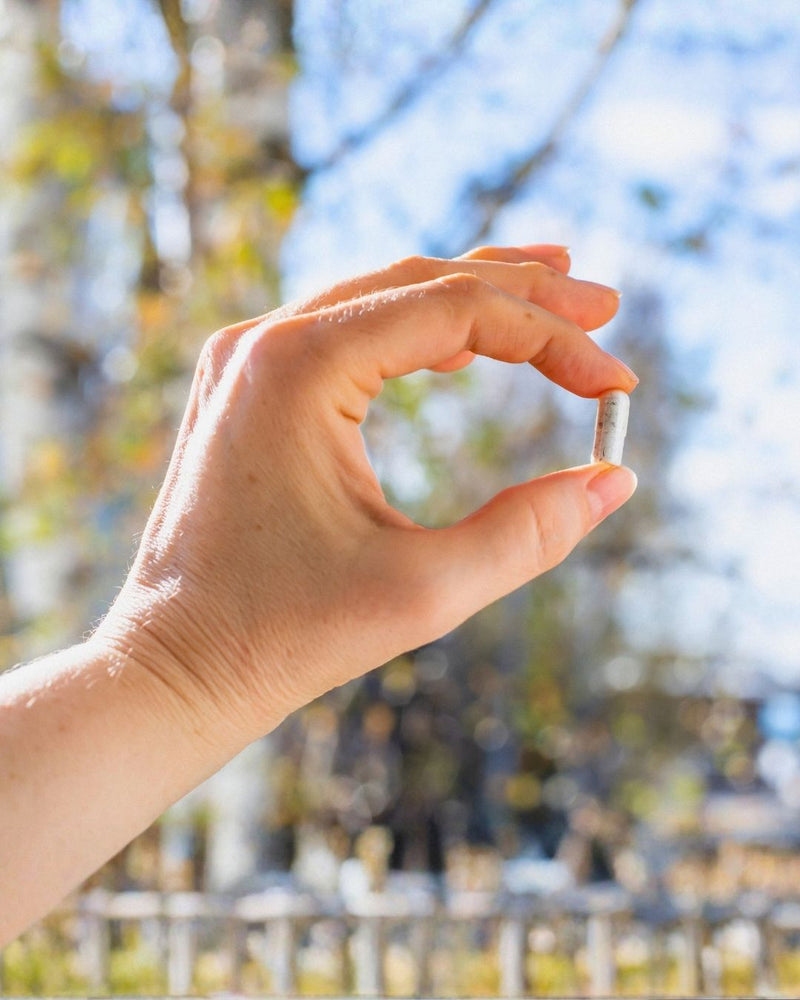
Our organic turmeric capsules consist of 100% pure turmeric powder, completely without additives. They offer a natural and well-tolerated way to regularly integrate turmeric into your everyday life. The capsules can be taken as they are or opened and the powder stirred into drinks or food – ideal for smoothies, soups, or golden milk in the evening.
Turmeric is considered to be very well tolerated. However, if you have certain pre-existing conditions or are taking medication, you should consult your doctor, for example in the case of:
In these cases, curcumin can intensify effects or promote interactions. For most people, however, turmeric is a wonderful, safe addition to everyday life.
Here you will find three delicious, simple recipes that will help you easily incorporate turmeric into your daily routine:
All three recipes are easy to prepare, wonderfully aromatic, and soothing. Enjoy trying them out! Share your favorite recipe and your personal turmeric ritual with us on Instagram @innersparkle.de—we look forward to seeing it. ✨
Curcumin is a natural plant compound found in turmeric and is partly responsible for the root's characteristic yellow-orange color.
A direct sleep-promoting effect of turmeric has not been clearly proven. Golden milk can be part of a personal evening ritual as a warm drink, but no sleep-inducing effect of the turmeric it contains can be inferred from this.
Black pepper contains piperine and is frequently mentioned in relation to the bioavailability of curcumin. How relevant the combination actually is depends, among other things, on the form and amount.
Curcumin is fat-soluble. Turmeric can therefore be used, for example, as part of a meal or together with milk or plant-based milk. No definitive statement regarding the amount of curcumin absorbed can be derived from this.
In case of pre-existing conditions or regular medication use, individual use should be clarified medically or pharmaceutically in cases of doubt. This applies particularly to gallstones, bile duct obstruction, blood clotting disorders, and the use of blood thinners.
That depends on how you want to use turmeric. Turmeric powder can be added directly to food and drinks. Capsules are already portioned and do not require measuring out loose powder.
Yes. The organic turmeric capsules can be opened. The turmeric powder inside can then be stirred into smoothies, soups, or other foods and drinks, for example.
For golden milk, turmeric is combined with warm milk or plant-based milk. The recipe described also includes black pepper, cardamom, and cinnamon, as well as optional honey or vanilla.
This post is for general information purposes only and does not replace professional medical advice, diagnosis, or treatment. Dietary supplements are not a substitute for a balanced and varied diet or a healthy lifestyle.
More warmth and balance in autumn: Discover 5 nourishing rituals to help you experience the cooler season consciously and comfortably.
Read moreIt’s getting cold outside, and the heating is on inside. Now, seasonal nutrition, tried-and-tested daily routines, and Ayurvedic traditions all meet.
Read moreEating in a rush, certain foods, or stress can be behind a bloated belly. Learn about the possible causes and what you can pay attention to in your everyday life.
Read moreBisglycinate, citrate, or oxide? Magnesium supplements differ in more than just their names. This comparison shows what to consider when choosing a form of magnesium.
Read moreNocturnal muscle cramps, fatigue, or tingling can have many causes. However, some of these symptoms can also occur in cases of magnesium deficiency.
Read moreCollagen is not only found in bone broth or animal-based foods. Bell peppers, legumes, seeds, and other foods also provide important nutrients for the body's own collagen production.
Read moreShade-grown, hand-harvested, whisked with 80-degree hot water. What makes good matcha, how to prepare it at home, and three recipes that go beyond the latte.
Read moreDid you know that your diet affects the production of your happy hormones? So there's good news: You can eat yourself happy.
Read moreBright green, finely ground, and traditional from Japan: Matcha differs significantly from ordinary green tea. What is actually in the powder is what counts.
Read moreThe yoga mat is ready, yet the phone stays in your hand at night. Good intentions rarely fail for lack of ideas, but rather because they don't fit into everyday life in the long term.
Read moreSleep better, wake up more refreshed: Discover 5 simple tips that can help you wind down more easily in the evening and support restful sleep.
Read more