



What makes matcha so special?
What lies behind the green color, L-theanine, caffeine, and the special production process


Popular searches
Popular Categories

Matcha is special because tea leaves are finely ground into a vibrant green powder and consumed in their entirety when drinking. If you would like to know what distinguishes Matcha from ordinary green tea, it is worth taking a closer look at its production, caffeine, L-theanine, polyphenols, and preparation.
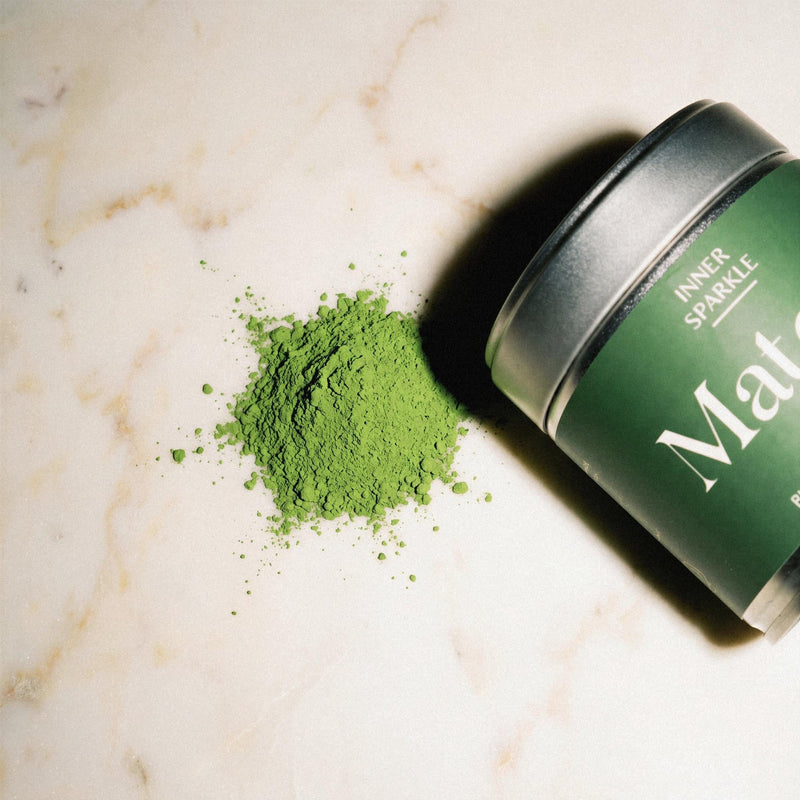
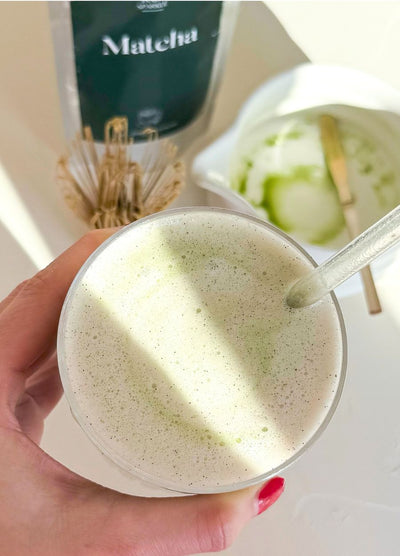
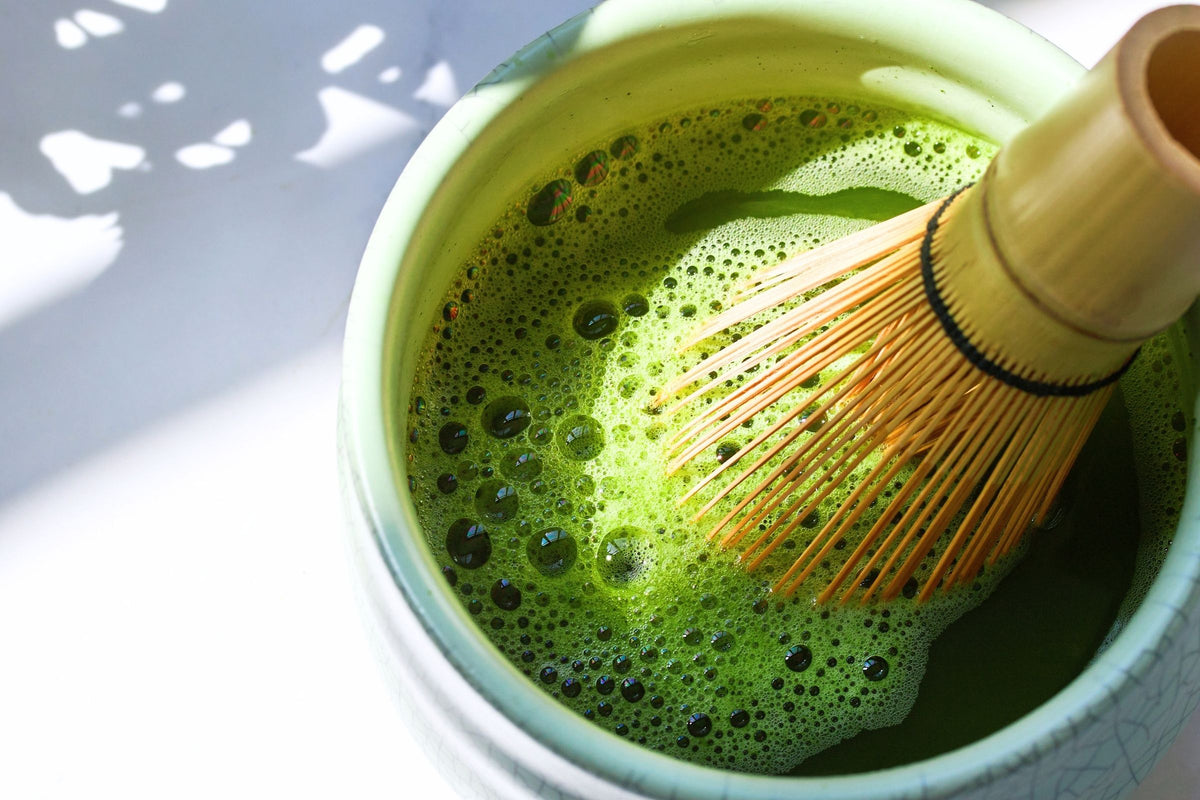
Matcha is finely ground green tea from Japan. Instead of simply steeping tea leaves in water and removing them, the fine powder in matcha is mixed directly into the water and consumed along with it. Characteristic features include its intensely green color, very fine consistency, and unique method of preparation. Traditionally, matcha is whisked with water using a bamboo whisk, known as a chasen.
Today, matcha is not only consumed as a pure tea. The powder is also found in matcha lattes, smoothies, and various dishes.
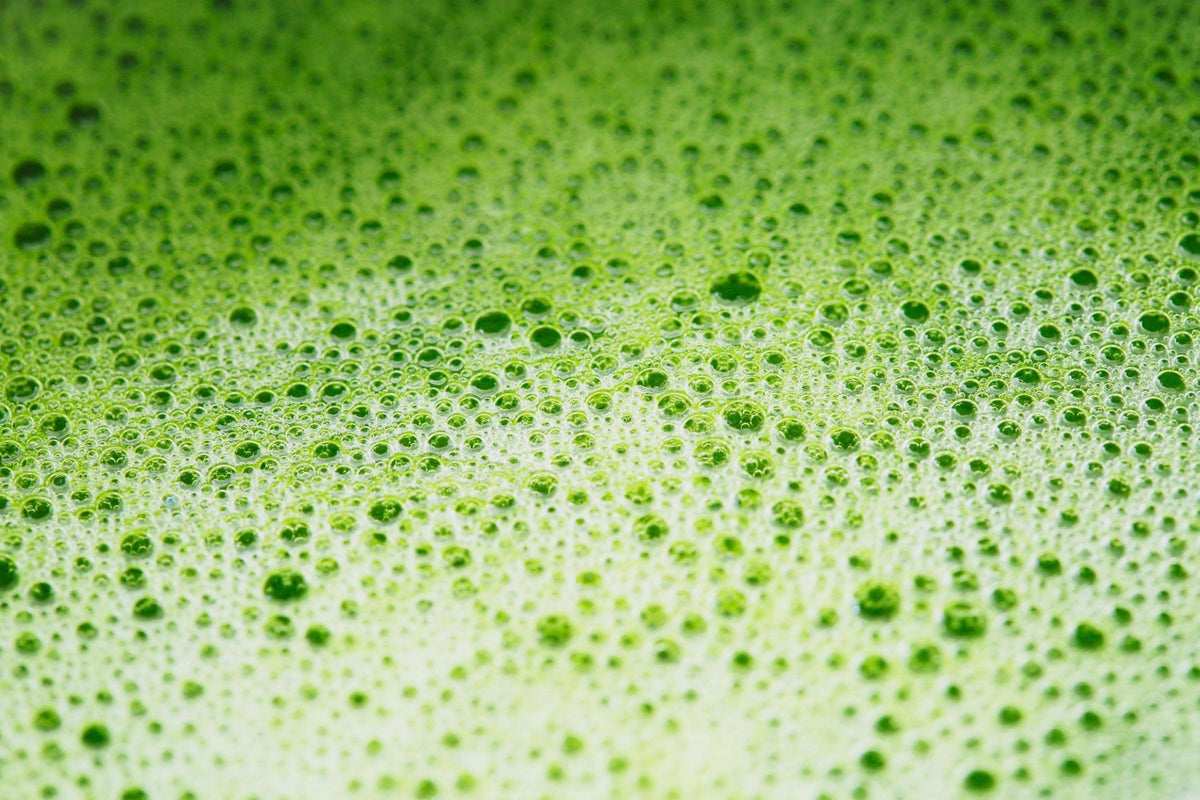
The most notable difference lies in how the tea is used. With ordinary green tea, the leaves are infused in water and then removed. With matcha, the ground tea leaf itself is consumed. As a result, the components of the tea leaf used also end up in the finished drink. These include caffeine, the amino acid L-theanine, and various secondary plant compounds. The preparation also differs. Matcha is not infused like loose-leaf tea and strained, but rather distributed in water as a powder and whisked into a froth.
Matcha contains various natural components of the tea plant. These include polyphenols, which are classified as secondary plant compounds. The polyphenols in green tea also include catechins. One of these plant compounds is epigallocatechin gallate, or EGCG for short. In addition to these plant substances, Matcha naturally also contains caffeine and the amino acid L-theanine. Thus, the finely ground powder combines various characteristic components of the tea plant.
EGCG is a catechin found in green tea. Catechins, in turn, belong to the group of polyphenols and thus to the secondary plant compounds. EGCG is one of the plant substances frequently mentioned in connection with green tea and matcha. Matcha does not contain just a single plant substance, but rather various natural components of the tea leaf used.
Since the finely ground tea leaf is consumed along with the matcha, these components of the tea plant are also part of the finished drink.
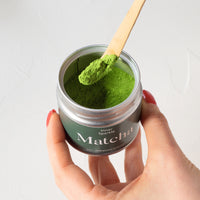
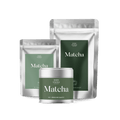
When choosing matcha, it is worth taking a close look at its origin, harvest, processing, and list of ingredients. This allows you to compare different products based on concrete information. Inner Sparkle's organic matcha comes from Japan and is made from the leaves of the first harvest. The tea leaves are harvested by hand, gently steamed, and then finely ground using a granite stone.
It consists of 100% organic matcha and contains no fillers or additives. The matcha is packaged in Germany and laboratory-tested for heavy metals and germs. In terms of taste, it is pleasantly mild and slightly sweet, with little bitterness. Its fine consistency is suitable for classic preparation as well as for matcha lattes, iced matcha, and smoothies.

Yes, matcha naturally contains caffeine and L-theanine. L-theanine is an amino acid naturally found in tea. Caffeine is one of the reasons why matcha is frequently consumed in the morning or as an alternative to coffee. The taste and preparation ritual differ significantly from a classic cup of coffee. Traditionally, matcha is not filtered. The powder remains in the drink and is consumed along with the water.
Matcha can be integrated into everyday life in various ways. For the classic preparation, the powder is mixed with water and frothed using a chasen . For a matcha latte, you can then combine the frothed matcha with milk or a plant-based alternative. The finely ground green tea powder can also be used in smoothies or various dishes.
You can influence how intense your matcha tastes through the amount of powder used and the ratio of matcha to liquid. The preparation itself can also become a set ritual: measure the matcha, mix with water, froth with the chasen, and then drink it pure or add it to a matcha latte.
With matcha, finely ground green tea is mixed directly into water and consumed along with it. This distinguishes its use from steeped green tea, where the tea leaves are subsequently removed.
Matcha is green tea itself, but it is used as a finely ground powder. With ordinary green tea, the leaves are steeped and then removed, whereas matcha powder remains a component of the finished beverage.
Yes, matcha naturally contains caffeine. That is why it is often drunk in the morning or as an alternative to coffee.
Yes. L-theanine is an amino acid that occurs naturally in tea and therefore also in matcha.
EGCG stands for epigallocatechin gallate. It is a catechin found in green tea. Catechins belong to the group of polyphenols.
The polyphenols in green tea include catechins. One of the best-known catechins, which is also mentioned in connection with matcha, is epigallocatechin gallate, or EGCG for short.
Matcha can be prepared in the classic way whisked with water, as a matcha latte, or used in smoothies and various dishes.
For Inner Sparkle Organic Matcha, whisk about 1 g of matcha with approximately 80 ml of water at about 70 °C. You can then drink it as is or top it up with hot water or a plant-based drink.
Pay attention to origin, harvest, processing, color, consistency, and taste. Inner Sparkle organic matcha comes from Japan, is produced from the first harvest, hand-picked, gently steamed, and finely ground with a granite stone.
This article is for general information purposes only and does not replace professional medical advice, diagnosis, or treatment. Dietary supplements are not a substitute for a balanced and varied diet or a healthy lifestyle.
Collagen is not only found in bone broth or animal-based foods. Bell peppers, legumes, seeds, and other foods also provide important nutrients for the body's own collagen production.
Read moreShade-grown, hand-harvested, whisked with 80-degree hot water. What makes good matcha, how to prepare it at home, and three recipes that go beyond the latte.
Read moreLearn all about the effects of turmeric: how curcumin supports your health, how to increase bioavailability, and delicious recipes for your everyday life.
Read moreDid you know that your diet affects the production of your happy hormones? So there's good news: You can eat yourself happy.
Read moreThe yoga mat is ready, yet the phone stays in your hand at night. Good intentions rarely fail for lack of ideas, but rather because they don't fit into everyday life in the long term.
Read moreSleep better, wake up more refreshed: Discover 5 simple tips that can help you wind down more easily in the evening and support restful sleep.
Read moreMore warmth and balance in autumn: Discover 5 nourishing rituals to help you experience the cooler season consciously and comfortably.
Read moreIt’s getting cold outside, and the heating is on inside. Now, seasonal nutrition, tried-and-tested daily routines, and Ayurvedic traditions all meet.
Read moreEating in a rush, certain foods, or stress can be behind a bloated belly. Learn about the possible causes and what you can pay attention to in your everyday life.
Read moreBisglycinate, citrate, or oxide? Magnesium supplements differ in more than just their names. This comparison shows what to consider when choosing a form of magnesium.
Read moreNocturnal muscle cramps, fatigue, or tingling can have many causes. However, some of these symptoms can also occur in cases of magnesium deficiency.
Read more