



Healthy routines: Start your day mindfully and full of energy
Which small habits can truly be integrated into a busy daily routine


Popular searches
Popular Categories

Healthy routines are the key to a balanced, energetic, and happy life. For many, the new year feels like a blank slate and is the perfect opportunity to establish new habits that will support you in the long term. It is not about changing everything at once, but rather about integrating new, beneficial rituals into your everyday life, one step at a time.
The morning sets the tone for the rest of the day. When you design it consciously, it positively influences your energy, focus, and mood. Therefore, develop a morning routine that strengthens you, both physically and mentally. Whether it’s meditation, gentle stretching, reading a few pages, journaling, or small rituals like tongue scraping, oil pulling, and a glass of warm water: find what does you good and fits naturally into your daily life.
A fixed sequence helps to start the day calmly and focused. Here is what your morning routine could look like in five simple steps:
Video inspiration for your morning routine:
Morning routine Pilates & stretching for an energized start to the day (YouTube)
Movement in the morning connects you with your body, lifts your mood, and provides a noticeable sense of lightness. Even ten minutes can make a big difference.
Exercise is one of the most powerful routines you can establish. Pilates, in particular, brings body and mind into harmony. It strengthens the deep muscles, improves posture, promotes flexibility, and simultaneously creates inner calm.
The best part: You don't need a gym; a mat and a little space at home are completely sufficient. Goal: three to four times a week of Pilates, including shorter sessions of 15 to 20 minutes if you like.
Video recommendation:
10-Minute Morning Pilates Routine for More Energy (YouTube)
This session is wonderful for integrating movement into your daily life, even on days when you don't have much time.
Tip: Combine Pilates with conscious breathing. This increases the effect, reduces stress, and promotes balance. Exercise should feel light; it is meant to strengthen you, not exhaust you.
Restorative sleep is the foundation of physical and mental health. However, the light from smartphones and laptops inhibits melatonin production and makes it harder to fall asleep.
Therefore, establish a relaxing evening routine:
✨Tip
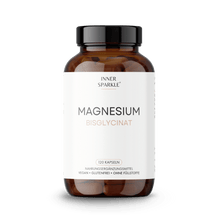
Support your evening routine with magnesium bisglycinate, a particularly well-tolerated form of magnesium. It helps to relax muscles, calm the body, and fall into a deeper sleep more easily. To do this, take two magnesium capsules about 30–60 minutes before going to bed with a glass of water.
The liver is a true all-rounder. It filters toxins, regulates hormones, and stores essential nutrients. When it is overloaded, this often manifests as fatigue, sluggish digestion, or concentration issues.
After a period of rich food or lack of rest, the liver deserves some relief through:
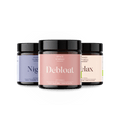
✨ Tip: Inner Sparkle organic herbal complex "Debloat" with milk thistle, dandelion, and other plant extracts. It is ideal for relieving the liver and for a cleanse at the start of the year. Scientifically exciting: Green leafy vegetables contain glutathione, one of the liver's most important antioxidants. It helps neutralize free radicals and break down toxins.

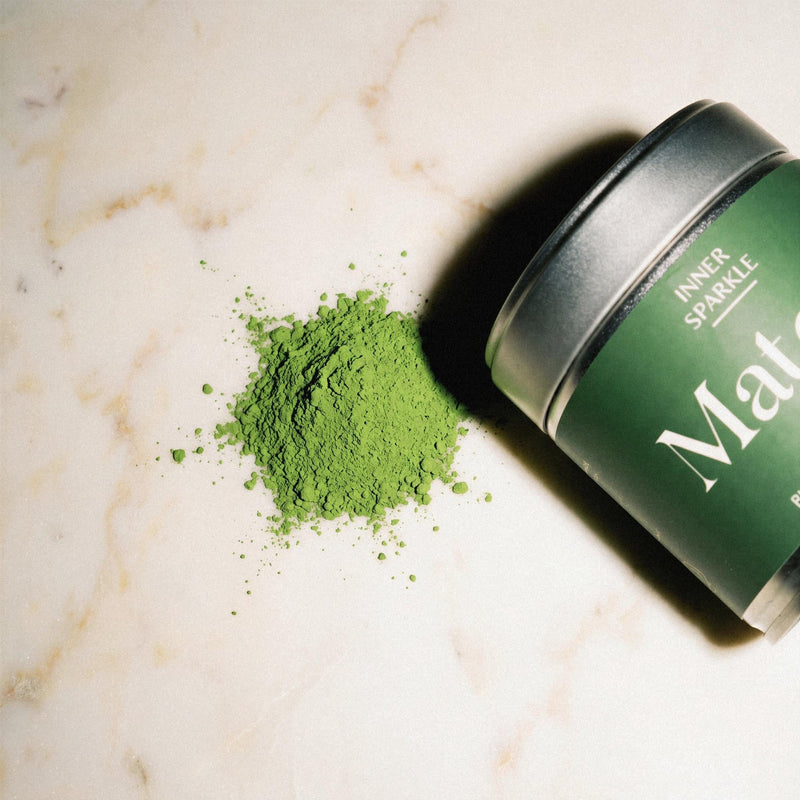
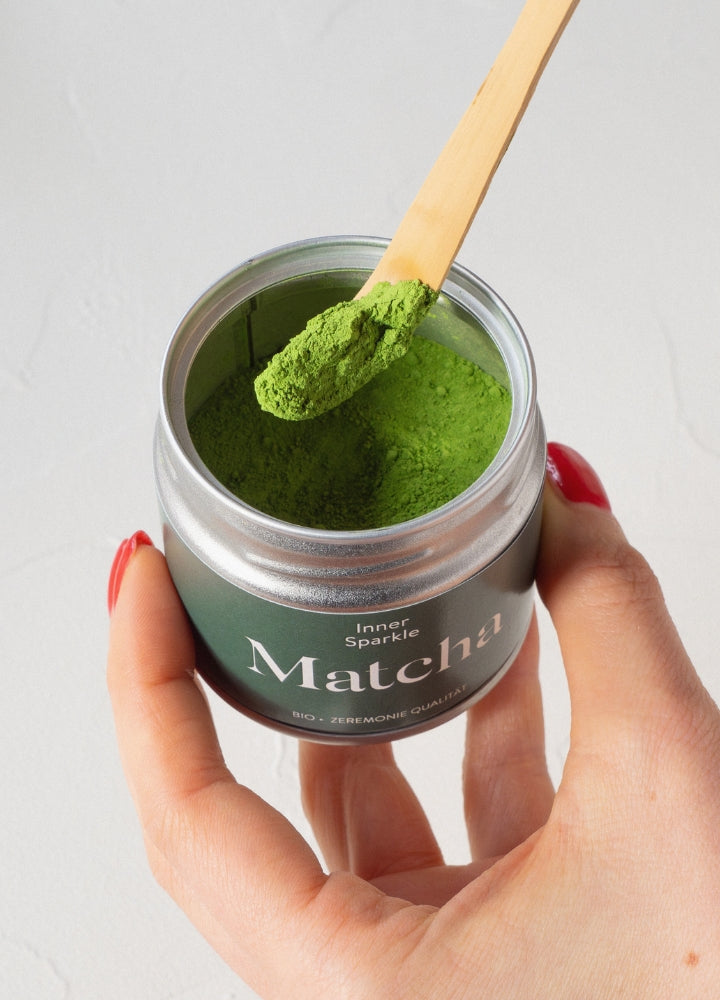
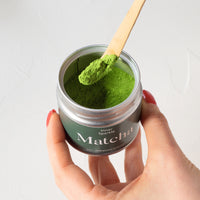
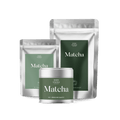
Many people automatically reach for a cup of coffee in the morning, but this can stress the body because caffeine increases cortisol levels. A wonderful alternative is matcha: finely ground green tea, rich in antioxidants.
Matcha, a finely ground green tea, offers a gentle source of energy without the jittery side effects of coffee. It is rich in antioxidants and provides a stimulating effect that can help you stay awake and focused, without the caffeine rollercoaster. The caffeine in matcha is absorbed more slowly, so the effect also lasts longer. Additionally, matcha contains the amino acid L-theanine. It has a stress-reducing effect on the organism.
Why matcha fits perfectly into healthy routines:
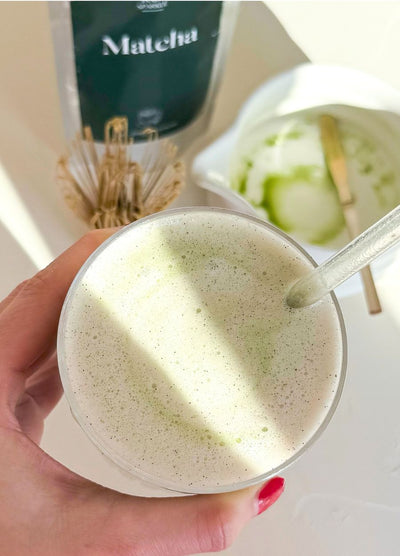
Video tutorial: How to make your creamy matcha latte, step by step.
Matcha latte tutorial on Instagram
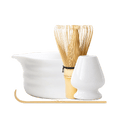
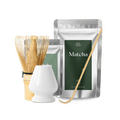
Tip: Use a matcha whisk (chasen) to froth the powder evenly. This creates the typical, bright green crema.
The greatest challenge with new habits is often consistency. To ensure healthy routines truly become part of your everyday life, these strategies can help:
Studies show: On average, it takes about 66 days for a new habit to become a routine. So be patient; with every repetition, it becomes a little more deeply anchored in your daily life.
Micro-habits that will stay with you in the long term
These small healthy habits may seem insignificant, but they have a major effect: they bring more calm to your daily life, strengthen your nervous system, and help you deal with stressful moments more easily. And if you ever fall out of your routine, that is perfectly normal—it is part of the process. The important thing is to start again and keep going. ✨
Start with a small habit that can be realistically integrated into your existing daily routine. Instead of changing multiple areas at once, begin with one new habit and try to practice it daily.
A morning routine can, for example, consist of a glass of water, a few minutes of movement, and journaling or meditation. Find the one routine that feels good to you and fits your needs.
As a rule, it takes about 21 days for new habits to become established. Of course, this varies from person to person.
Try to create routines for yourself that are realistic and can be integrated into your everyday life. Think less about "pushing through" and more about how good you feel afterwards and that you want to do something good for yourself.
Examples include taking a few conscious breaths, a short break without a smartphone, a water bottle at your desk, a few minutes of stretching, turning off your phone 30 minutes before going to sleep, or reading a few pages of a book.
Matcha is a great coffee alternative. Matcha is finely ground green tea and naturally contains caffeine. If you would like a caffeinated drink in the morning, you can incorporate matcha or a matcha latte into your morning routine as an alternative to coffee.
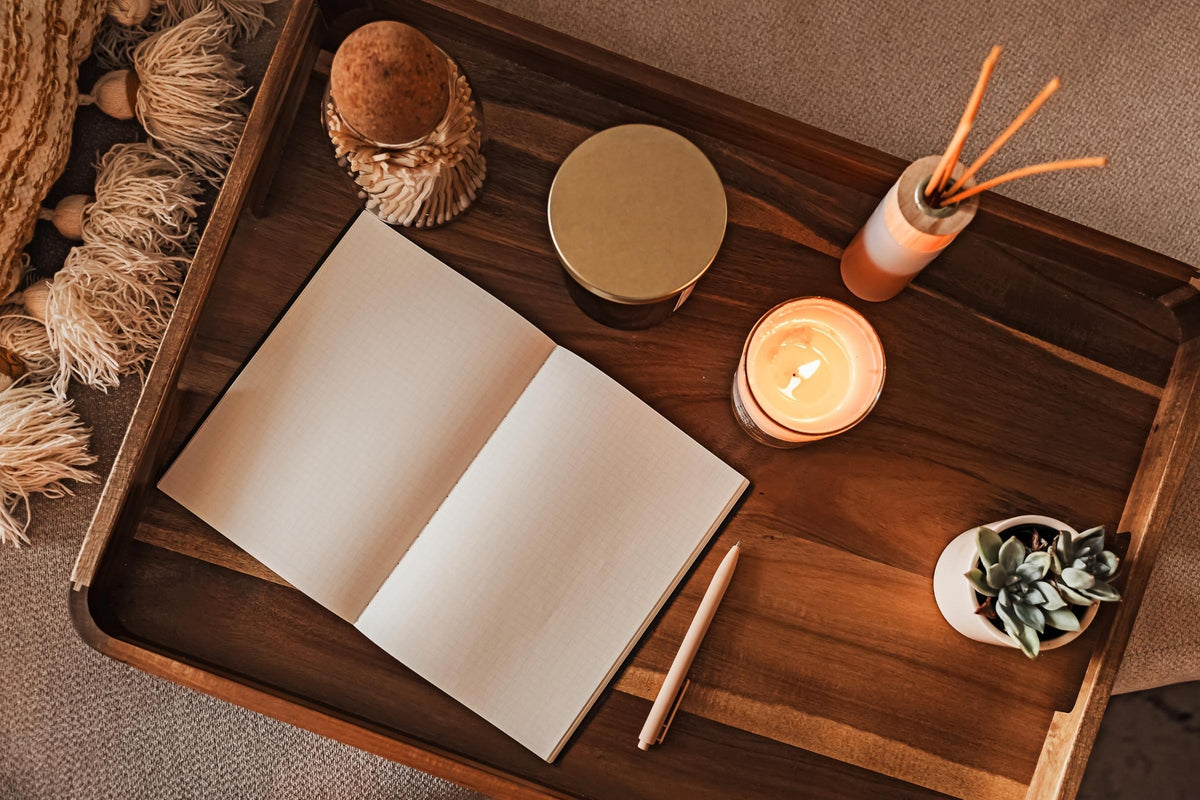
Set a fixed time after which you stop using your smartphone, for example 30 minutes before going to bed. A book, herbal tea, meditation, or a breathing exercise can be part of your evening routine instead and can help you relax.
Get back on track at the next best opportunity instead of waiting for a perfect restart. An interruption doesn't have to mean that you have to give up the entire habit.
This post is for general information purposes only and does not replace professional medical advice, diagnosis, or treatment. Dietary supplements are not a substitute for a balanced and varied diet or a healthy lifestyle.
Shade-grown, hand-harvested, whisked with 80-degree hot water. What makes good matcha, how to prepare it at home, and three recipes that go beyond the latte.
Read moreLearn all about the effects of turmeric: how curcumin supports your health, how to increase bioavailability, and delicious recipes for your everyday life.
Read moreDid you know that your diet affects the production of your happy hormones? So there's good news: You can eat yourself happy.
Read moreBright green, finely ground, and traditional from Japan: Matcha differs significantly from ordinary green tea. What is actually in the powder is what counts.
Read moreSleep better, wake up more refreshed: Discover 5 simple tips that can help you wind down more easily in the evening and support restful sleep.
Read moreMore warmth and balance in autumn: Discover 5 nourishing rituals to help you experience the cooler season consciously and comfortably.
Read moreIt’s getting cold outside, and the heating is on inside. Now, seasonal nutrition, tried-and-tested daily routines, and Ayurvedic traditions all meet.
Read moreEating in a rush, certain foods, or stress can be behind a bloated belly. Learn about the possible causes and what you can pay attention to in your everyday life.
Read moreBisglycinate, citrate, or oxide? Magnesium supplements differ in more than just their names. This comparison shows what to consider when choosing a form of magnesium.
Read moreNocturnal muscle cramps, fatigue, or tingling can have many causes. However, some of these symptoms can also occur in cases of magnesium deficiency.
Read moreCollagen is not only found in bone broth or animal-based foods. Bell peppers, legumes, seeds, and other foods also provide important nutrients for the body's own collagen production.
Read more