





Strengthen your immune system - How to strengthen your defenses
What diet and daily routine can contribute and where Ayurveda offers a different perspective


Popular searches
Popular Categories

A strong immune system does not depend on a single food or herb, but on several everyday factors. Especially in autumn and winter, it is possible to combine a varied diet, sufficient sleep, physical activity, and seasonal Ayurvedic routines.
In Ayurveda, the three doshas Vata, Pitta, and Kapha play a central role. They describe different principles within the Ayurvedic tradition and are associated with specific characteristics.
Autumn and winter are considered in Ayurveda to be particularly influenced by Vata. Vata is associated with movement, dryness, cold, and lightness. From an Ayurvedic perspective, cold wind, dry heating air, and changing weather align with these qualities.
Traditionally, Ayurveda therefore focuses on a counterweight during this season: warm and cooked foods, regular meals, and fixed routines. The goal from an Ayurvedic point of view is to balance the properties described as Vata.
This classification is part of the traditional Ayurvedic teaching. It is to be distinguished from medical statements regarding the immune system or the treatment of specific ailments.

In Ayurvedic nutrition during the cold season, the focus is primarily on warm and cooked meals. These include soups and stews with seasonal vegetables, grain porridges made from oats, millet, spelt, or rice, as well as steamed, braised, or baked vegetables.
Fats also have their place in traditional Vata cuisine. Ghee, sesame oil, and olive oil can be used just as well as nuts and seeds, including almonds, walnuts, and hemp seeds.
As protein sources, ingredients such as mung beans, red and yellow lentils, tofu, tempeh, hemp seeds, and nuts fit well into warm dishes. Mung beans can be used for kitchari, for example, and lentils for soups, curries, or dal.
Large amounts of cold raw food play a smaller role in Ayurvedic nutrition during the Vata period. Those who wish to follow this can choose cooked, baked, or steamed vegetables more often and plan raw food for lunchtime instead.
Drinks can also be seasonal. Warm water as well as herbal and spiced teas are alternatives to cold beverages. Examples include ginger tea, fennel-anise-caraway tea, cinnamon tea, or Ayurvedic Vata tea blends.
Ginger, cinnamon, cumin, cardamom, and turmeric can be incorporated into autumn and winter cuisine in a variety of ways. Ginger works well in tea, soups, curries, and vegetable dishes. Cinnamon and cardamom are suitable for porridge, desserts, and warm drinks.
Cumin pairs particularly well with savory dishes. Turmeric can be incorporated into soups, curries, breakfast porridges, and warm drinks. The spices can be used individually or combined with one another.
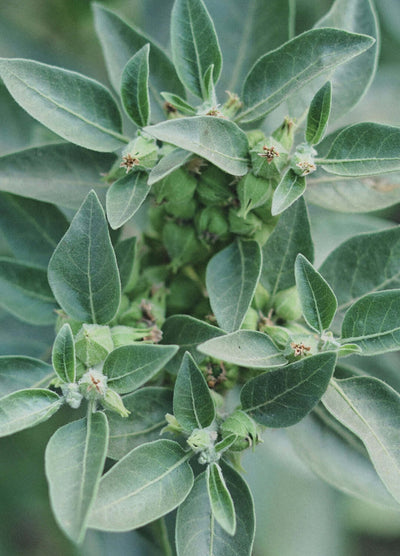
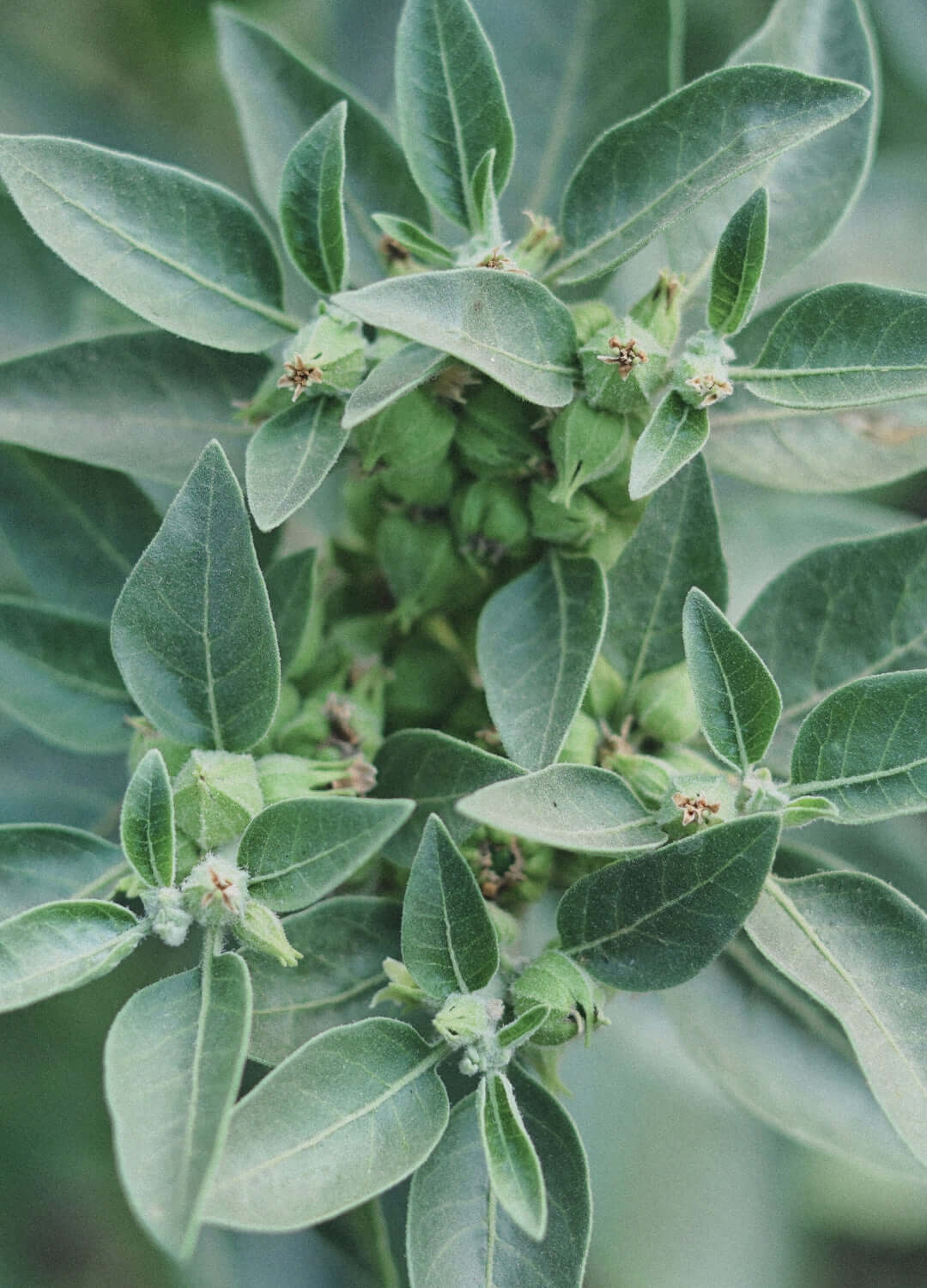
Echinacea, elderberry, and ashwagandha are also frequently encountered in connection with the cold season. Echinacea is offered as tea and in drop form, among others, while elderberry is available as juice, syrup, or tea, for example. Ashwagandha is frequently used as a powder or in capsule form.
For botanicals like ashwagandha or turmeric, no health benefits can be derived from their traditional use alone. It is therefore sensible to distinguish between their use in traditional concepts and specific health claims.
Tradition and impact are not the same thing.
Many herbs and spices have a firm place in traditional nutritional systems. However, a long history of use does not automatically mean that a food or herb has a specific health effect.
Vitamin C contributes to the normal function of the immune system. Foods that add variety to the menu during the cold season include rose hips, sea buckthorn, oranges, lemons, tangerines, bell peppers, broccoli, and kale.
Seasonal vegetables also offer many possibilities for warm meals. Carrots, beetroot, parsnips, pumpkin, sweet potatoes, Brussels sprouts, and white cabbage can be used, for example, for soups, stews, curries, and oven-baked dishes.
Apples and pears can be eaten fresh or made into warm compote. This creates a varied selection of fruits, vegetables, legumes, grains, nuts, and seeds, even in autumn and winter.

Fermented foods add extra variety to your diet. These include natural yogurt, sauerkraut, kefir, and kimchi. They can be integrated into meals depending on your personal diet and taste.
Regular fluid intake is also part of everyday life. How much fluid you need depends, among other things, on individual factors and your level of activity.
Those who follow Ayurvedic winter cooking can opt for warm drinks more often. Warm water, herbal tea, and spiced tea can be consumed throughout the day and are well-suited to the cold season.
Conversely, sugary drinks can be replaced more frequently with water or unsweetened tea.
Ayurveda does not just consider nutrition. Regular routines, exercise, and conscious rest periods are also part of a seasonally aligned daily life.
For exercise, options such as walks, yoga, light jogging, or Pilates are suitable. The decisive factor is a form of exercise that fits into your daily life and can be implemented regularly.
Meditation and breathing exercises can also create fixed moments in the daily schedule. A common breathing exercise in Ayurveda is Nadi Shodhana, alternate nostril breathing.
Another element is warmth. Warm clothing, a scarf, a hot water bottle, or a grain pillow can be integrated into everyday life just as easily as a quiet evening with a warm drink.
The traditional Ayurveda routine also includes Abhyanga, an oil massage that often uses warm sesame oil. It can be scheduled, for example, before showering as a personal self-care routine.
A sleep rhythm that is as regular as possible can also be part of a fixed evening routine. It is less about a perfect daily schedule and more about recurring routines that can be integrated into one's own daily life in the long term.

An Ayurveda-inspired daily routine does not have to be complicated. A few fixed points are enough to distribute nutrition, exercise, and rest throughout the day.
Morning: After getting up, you can drink a glass of warm water and set aside a few minutes for gentle stretching or yoga. For breakfast, a warm oatmeal or millet porridge with cinnamon, cardamom, a little ghee, and stewed apple or pear works well.
Midday: A warm main meal could, for example, be a vegetable curry with lentils or mung beans. Rice or millet paired with spices like ginger, cumin, turmeric, and coriander are suitable accompaniments.
Afternoon: A cup of herbal tea can be combined with a small snack, for example, a few soaked almonds or fruit compote.
Evening: A vegetable soup or roasted vegetables with a little oil are suitable for a warm meal. Afterward, a warm shower, Abhyanga, a few minutes of meditation, or a breathing exercise can provide structure to the evening. Maintaining a consistent bedtime also helps establish a regular rhythm.
You don't have to implement all the recommendations at once. To start, two or three concrete habits that can be integrated into your existing daily routine without much effort are enough.
For example, you could start with a warm breakfast, choose seasonal vegetables more often at lunch, and plan a cup of tea for the afternoon. A daily walk or a set evening routine are also possible starting points. 🌿🧡
For more inspiration on Ayurveda, nutrition, and the cold season, follow us on Instagram at @innersparkle.de. We share tips and recipes there regularly. ✨
Vata is one of the three doshas in Ayurveda. In Ayurvedic teachings, Vata is associated with qualities such as movement, dryness, cold, and lightness. Autumn and winter are considered to be particularly characterized by Vata.
The focus is on warm and cooked meals. These include, for example, soups, stews, porridges, curries, as well as steamed, braised, or baked vegetables.
Ginger, cinnamon, cumin, cardamom, and turmeric can be used in a variety of ways in warm dishes and drinks. Depending on the spice, they pair well with porridge, soups, curries, vegetable dishes, or tea.
Well-known sources of vitamin C include rose hips, sea buckthorn, oranges, lemons, tangerines, bell peppers, broccoli, and kale.
A warm breakfast is in line with traditional recommendations for the Vata season. One option is oatmeal or millet porridge with cinnamon, cardamom, a little ghee, and stewed apple or pear.
Warm water as well as herbal and spiced teas fit well into an Ayurveda-inspired winter routine. Examples include ginger tea, fennel-anise-caraway tea, cinnamon tea, and Vata tea blends.
Abhyanga is a traditional Ayurvedic oil massage. It often involves the use of warm oil, such as sesame oil. For example, it can be incorporated into your personal care routine before showering.
Start with two or three habits that fit into your daily routine. A warm breakfast, a warm meal in the evening, a daily walk, or a set tea and evening routine are possible first steps.
This article is for general information purposes only and does not replace professional medical advice, diagnosis, or treatment. Dietary supplements are not a substitute for a balanced and varied diet or a healthy lifestyle.
Collagen is not only found in bone broth or animal-based foods. Bell peppers, legumes, seeds, and other foods also provide important nutrients for the body's own collagen production.
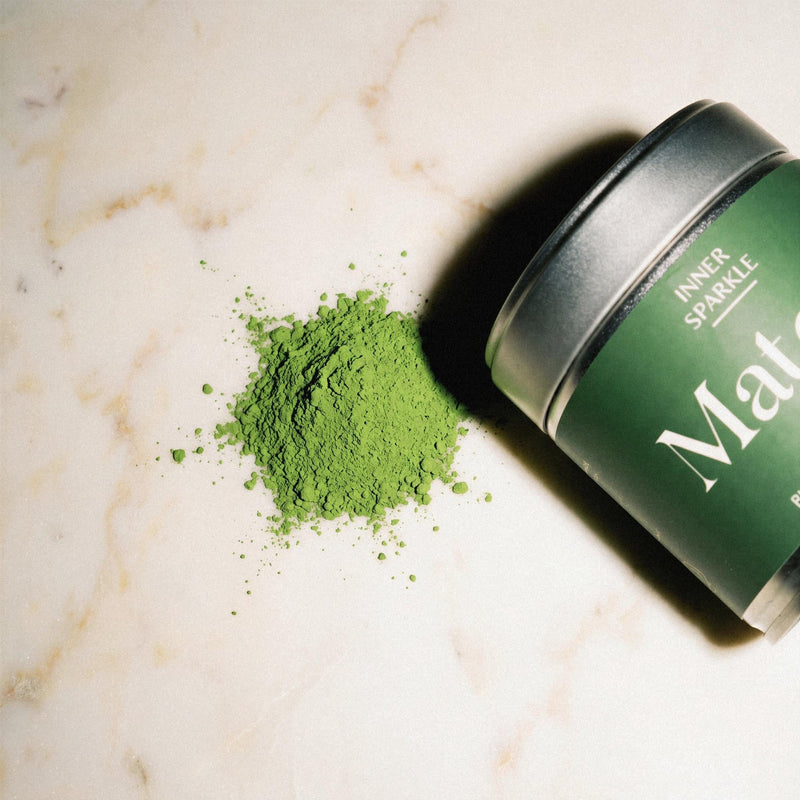
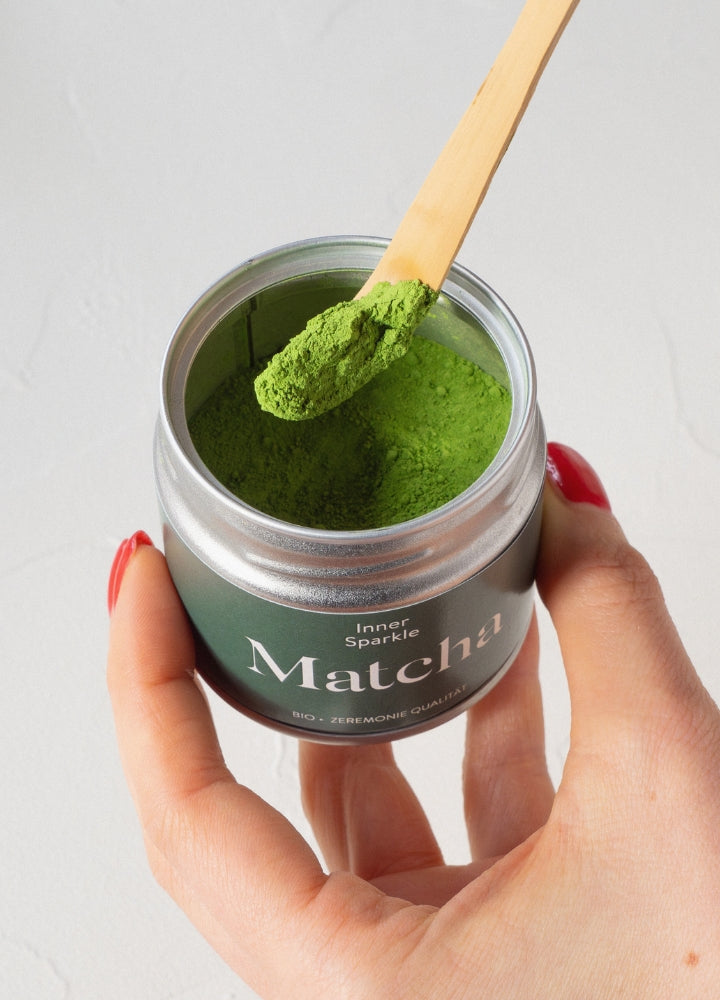
Read moreShade-grown, hand-harvested, whisked with 80-degree hot water. What makes good matcha, how to prepare it at home, and three recipes that go beyond the latte.
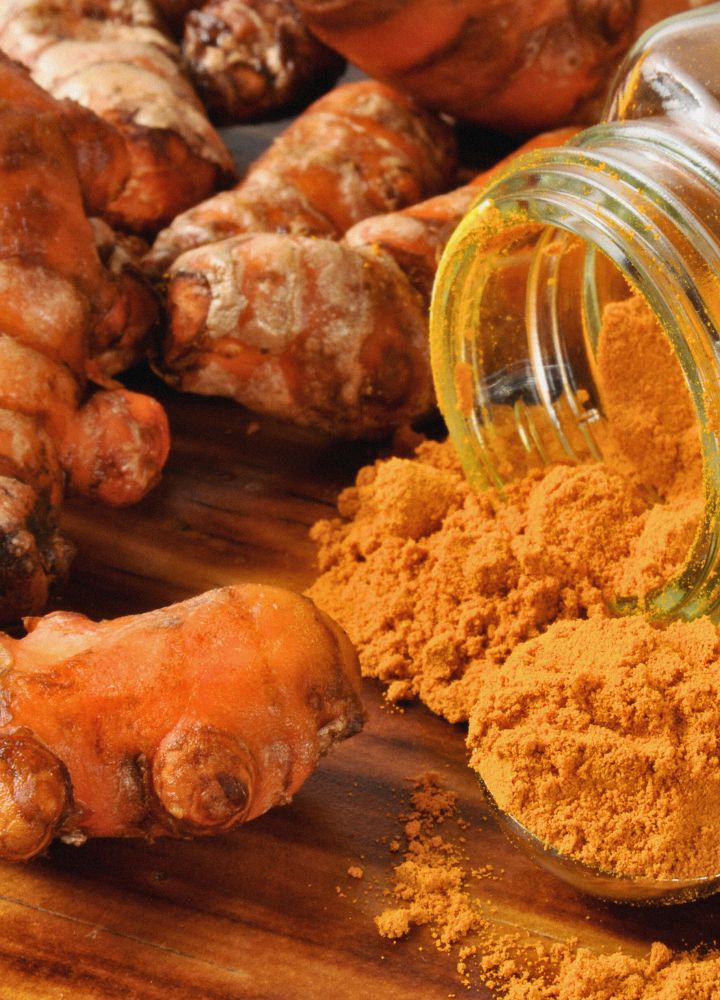
Read moreLearn all about the effects of turmeric: how curcumin supports your health, how to increase bioavailability, and delicious recipes for your everyday life.
Read moreDid you know that your diet affects the production of your happy hormones? So there's good news: You can eat yourself happy.
Read moreBright green, finely ground, and traditional from Japan: Matcha differs significantly from ordinary green tea. What is actually in the powder is what counts.
Read moreThe yoga mat is ready, yet the phone stays in your hand at night. Good intentions rarely fail for lack of ideas, but rather because they don't fit into everyday life in the long term.
Read moreSleep better, wake up more refreshed: Discover 5 simple tips that can help you wind down more easily in the evening and support restful sleep.
Read moreMore warmth and balance in autumn: Discover 5 nourishing rituals to help you experience the cooler season consciously and comfortably.
Read moreEating in a rush, certain foods, or stress can be behind a bloated belly. Learn about the possible causes and what you can pay attention to in your everyday life.
Read moreBisglycinate, citrate, or oxide? Magnesium supplements differ in more than just their names. This comparison shows what to consider when choosing a form of magnesium.
Read moreNocturnal muscle cramps, fatigue, or tingling can have many causes. However, some of these symptoms can also occur in cases of magnesium deficiency.
Read more