


Matcha: Benefits, Preparation, and the Best Recipes
Shade-grown, 80 degrees, and three quality grades: what makes a good matcha


Popular searches
Popular Categories

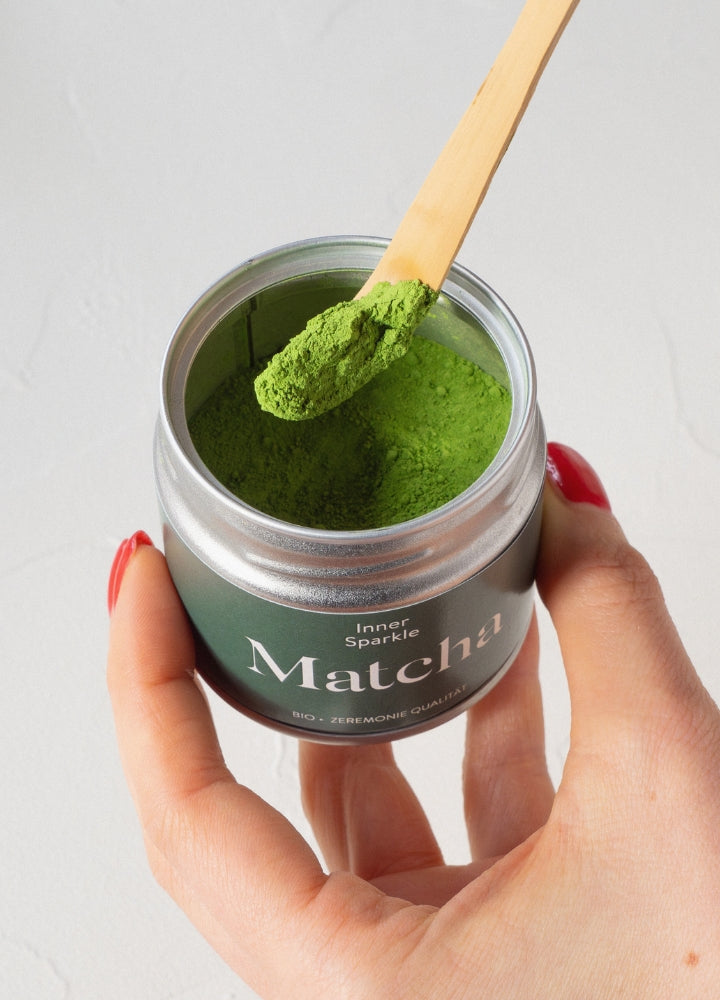
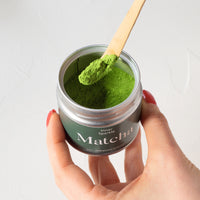
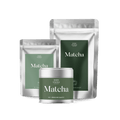
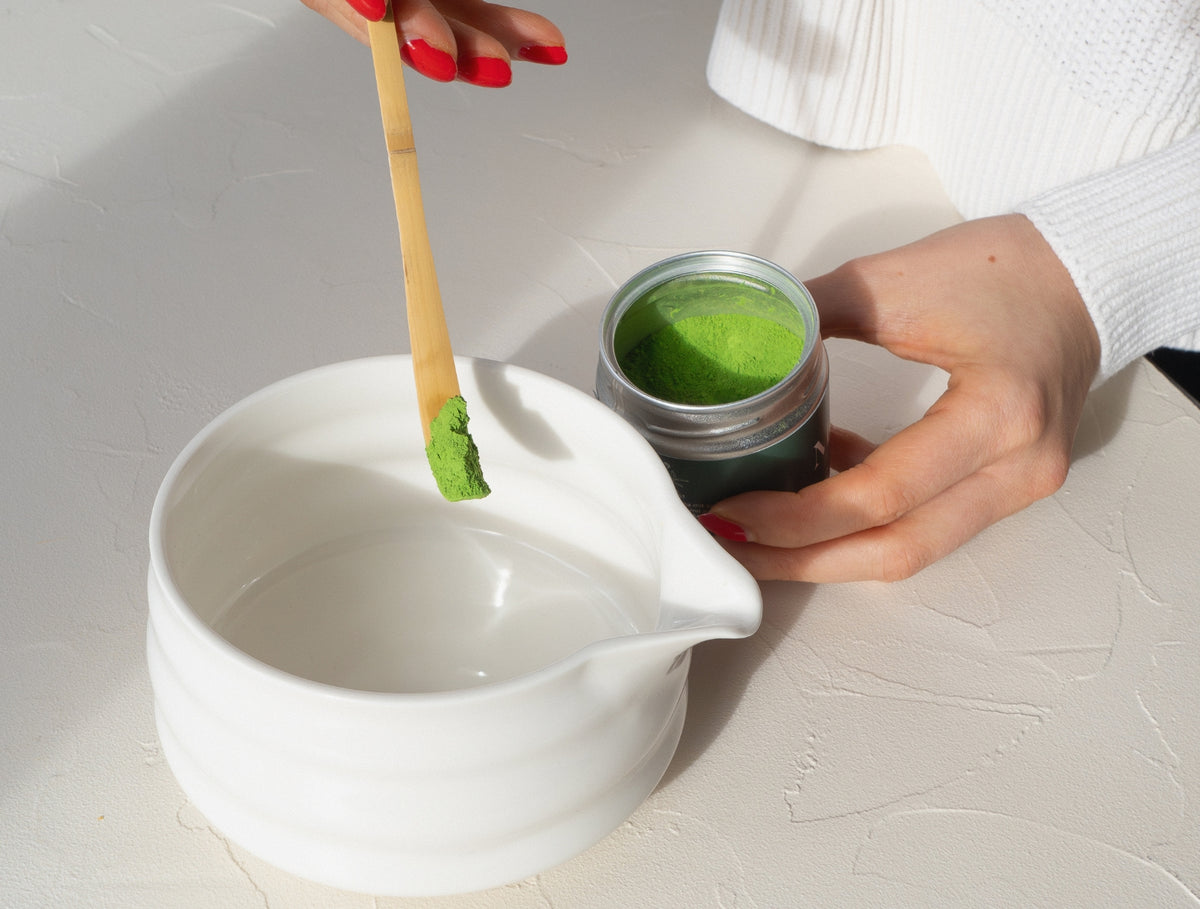
Matcha is powdered, shade-grown green tea from Japan, which is whisked into about 80 milliliters of water at around 80 degrees using one to two grams of powder. Unlike steeped tea, you consume the entire leaf rather than just the infusion. Its taste is determined by its origin, harvest time, and quality grade.
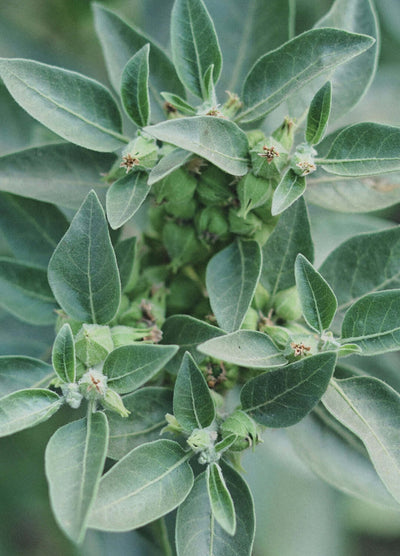
Matcha originates from Japan, where it has been consumed in traditional tea ceremonies for centuries. The fine powder is made from the leaves of the Camellia sinensis, which are shaded for several weeks before harvest, then hand-picked, steamed, dried, and ground in stone mills.
Shade cultivation is the crucial step. In reduced light, the plant produces more chlorophyll and more amino acids, especially L-theanine. This accounts for the vibrant green color and the umami flavor that distinguishes good matcha from ordinary green tea.
Unlike conventional green tea, where only the infusion is consumed and the leaf is discarded, with matcha you ingest the entire leaf.
Matcha contains a combination of caffeine, the amino acid L-theanine, catechins, and minerals. Its best-known ingredient is epigallocatechin gallate, or EGCG for short, one of the most frequently studied catechins of all.
Because the whole leaf is consumed with matcha rather than just an infusion, these levels are higher than in green tea made from the same leaves. It also contains magnesium, zinc, potassium, and iron, albeit in small amounts, as a serving only consists of one to two grams of powder.
There is a lot of research on green tea catechins, but the results are inconsistent, and the EU has not yet approved any health-related claims regarding them. We therefore make no promises here, but simply state what it contains. It is not without reason that matcha is called green gold in Japan, and this has primarily to do with the effort involved in its cultivation.
The difference from coffee lies in the composition. Coffee provides caffeine largely on its own, whereas matcha also contains L-theanine, an amino acid that is found in significant quantities almost exclusively in the tea plant and increases due to shade cultivation. Both are absorbed together via the powder.
In addition, there is the quantity and the pace. A serving of one to two grams contains less caffeine than a cup of filter coffee, and it is drunk over several minutes instead of in a few gulps.
For many, matcha is therefore the alternative when coffee is too much, whether in the morning at your desk, before a long meeting, or as a ritual to start the day. You can find out in a week if it feels different for you.
In Japan, matcha is not just considered a drink. The traditional tea ceremony, Chanoyu, is a process with fixed steps, from sifting the powder to whisking the foam, each executed mindfully and in the same sequence.
This attitude can be applied to everyday life without it having to become a ceremony. The two minutes it takes to sift and whisk are two minutes in which you do nothing else. For many, this is exactly the reason why they stick with matcha and not instant powder.
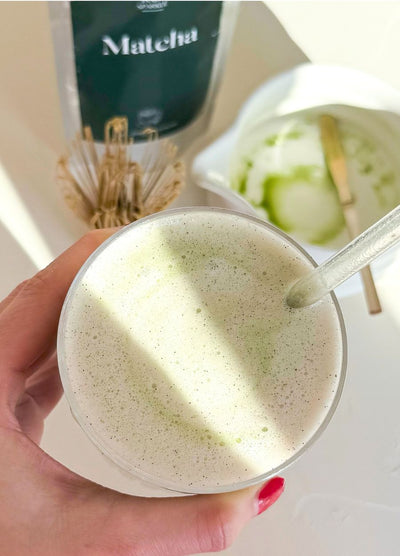
Without a chasen: A shaker or an electric milk frother will also work. The taste remains the same; the chasen simply makes the foam finer and more stable.
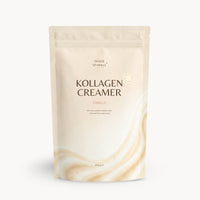
For a matcha latte: Add a tablespoon of Inner Sparkle Collagen Creamer to the milk frother to make it creamier.
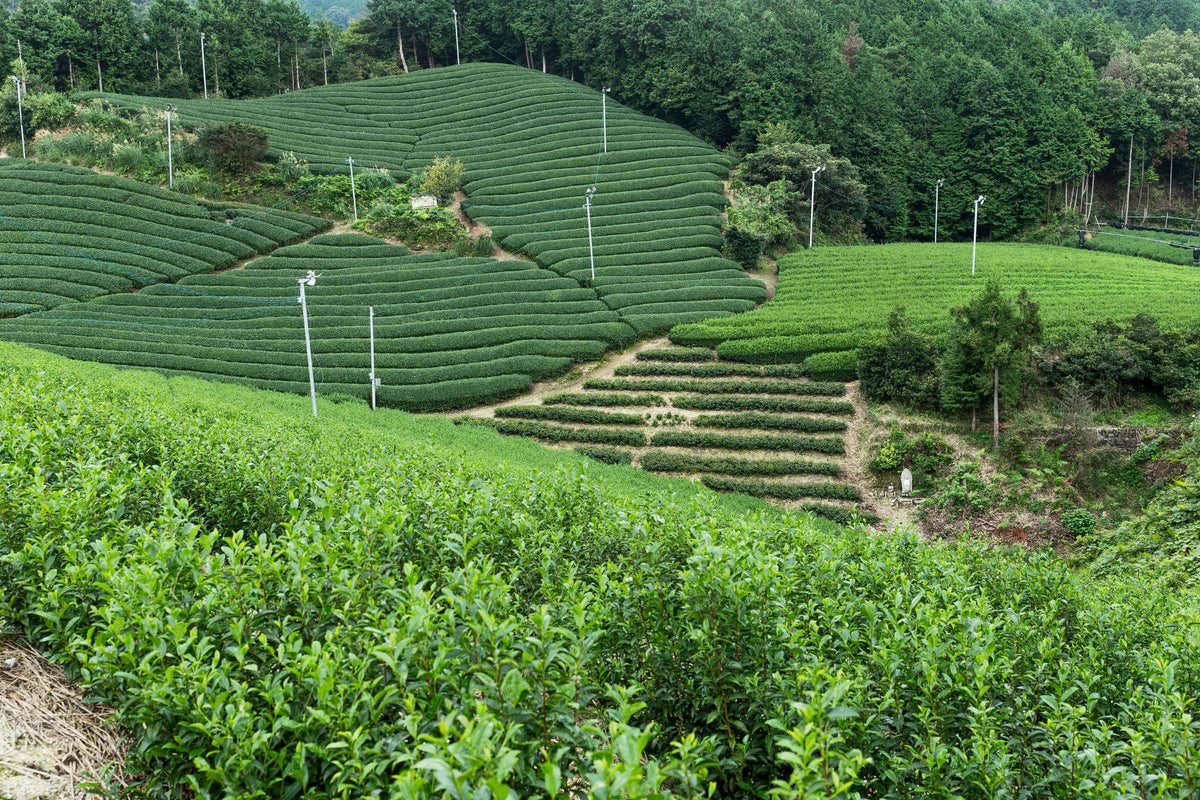
Origin: The best-known cultivation regions are Uji near Kyoto, Nishio, and Kagoshima.
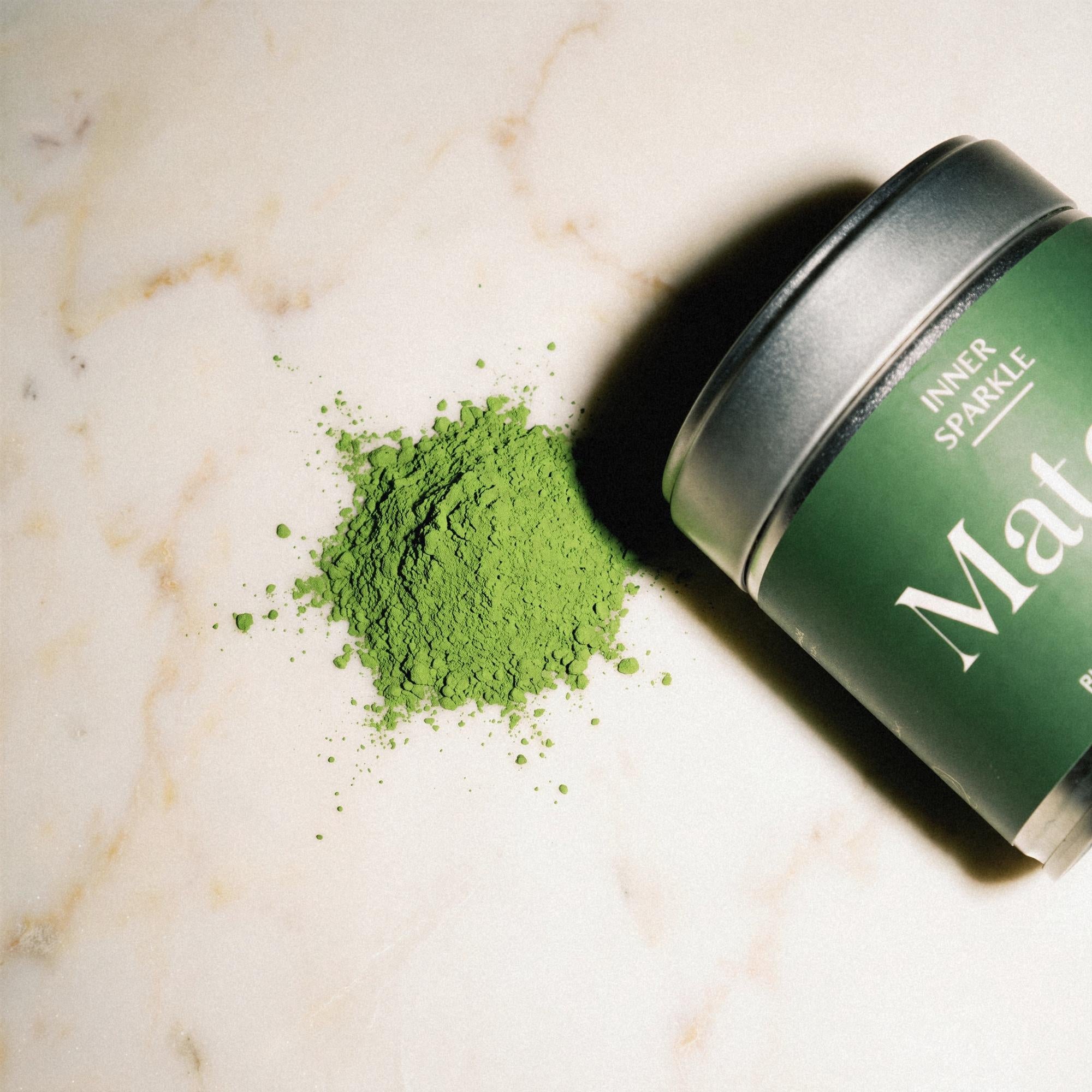
Color and smell: Vibrant green to almost luminous, not yellowish or dull. Fresh matcha smells sweet and grassy.
Certification: JAS Organic for Japanese organic products, EU organic for the European market.
Quality grades:
Cheaper matcha often tastes bitter and straw-like. This is due to later harvests and a coarser grind, not because you are doing something wrong.

To this day, Japanese tea farmers largely work by hand, especially when harvesting the first leaves. Shade cultivation, steaming shortly after harvest, and grinding on granite mills are labor-intensive steps, which explains why good matcha is more expensive than green tea.
Look for certificates like JAS Organic or EU-Organic. They provide information about cultivation without synthetic pesticides and are verifiable, unlike terms such as "sustainable" or "gentle," which no one monitors.
Matcha doesn't always have to be consumed as a classic matcha latte. We have three delicious and simple matcha recipes for you that show just how versatile matcha can be.
Creamy shake with banana, plant-based milk, and matcha, made nutty with almond butter and hemp seeds.

Ingredients
Preparation
To the recipe on Instagram: https://www.instagram.com/p/DOq3sK1DNKO/
Layered cold drink made with strawberry purée, plant-based drink, and freshly whisked matcha.

Ingredients
Preparation
To the recipe on Instagram: https://www.instagram.com/p/DKFVJP-smuf/
Overnight chia pudding with matcha, yogurt, and plant-based milk, topped with berries and granola.

Ingredients
Topping
Preparation
To the recipe on Instagram: https://www.instagram.com/p/DPyxkYlDNam/
For most adults, one to two servings of matcha per day is a standard amount. About one to two grams of matcha are used per serving. How much is appropriate for an individual depends, among other things, on how sensitive one is to caffeine and what other caffeinated beverages one consumes.
In principle, matcha can be drunk daily. Since matcha contains caffeine, the total caffeine intake throughout the day should be taken into account – especially if coffee, green tea, or other caffeinated beverages are also consumed.
Many drink matcha in the morning or during the forenoon as an alternative to coffee. Matcha can also be a good fit in the early afternoon. Those who are sensitive to caffeine should avoid drinking it in the late afternoon or evening.
The caffeine content depends on the variety, cultivation, and the amount used. A typical serving of matcha made from one to two grams of powder contains approximately 20 to 70 milligrams of caffeine. As a result, a serving often contains less caffeine than a cup of filtered coffee.
How long the effects of the caffeine contained are perceived varies from person to person. On average, caffeine has a half-life of several hours in adults. Therefore, even matcha consumed in the afternoon can still affect sleep in the evening.
Matcha naturally contains caffeine and is therefore less suitable for caffeine-sensitive individuals in the evening. Anyone wishing to drink matcha without unnecessarily affecting their sleep should allow sufficient time between their last portion and bedtime.
In principle, matcha can be consumed on an empty stomach. However, some people are sensitive to caffeine and the tannins contained in the tea. In such cases, it is more comfortable to drink matcha with or after a meal.
A slightly tart taste is characteristic of matcha, but strong bitterness can have various causes. Water that is too hot, too much powder, or lower matcha quality can make the taste more bitter. For preparation, water at around 80 °C and one to two grams of matcha are suitable.
Matcha should be stored tightly sealed, in a dry place, and protected from light, heat, and strong odors. After opening, airtight packaging is particularly important, as the fine powder is sensitive to oxygen and moisture.
Matcha and classic green tea both come from the tea plant Camellia sinensis. With Matcha, the shaded tea leaves are ground into a fine powder and consumed in their entirety. In contrast, for regular green tea, the leaves are steeped in water and then removed.
This article is for general information purposes only and does not replace professional medical advice, diagnosis, or treatment. Dietary supplements are not a substitute for a balanced and varied diet or a healthy lifestyle.
Collagen is not only found in bone broth or animal-based foods. Bell peppers, legumes, seeds, and other foods also provide important nutrients for the body's own collagen production.
Read moreLearn all about the effects of turmeric: how curcumin supports your health, how to increase bioavailability, and delicious recipes for your everyday life.
Read moreDid you know that your diet affects the production of your happy hormones? So there's good news: You can eat yourself happy.
Read moreBright green, finely ground, and traditional from Japan: Matcha differs significantly from ordinary green tea. What is actually in the powder is what counts.
Read moreThe yoga mat is ready, yet the phone stays in your hand at night. Good intentions rarely fail for lack of ideas, but rather because they don't fit into everyday life in the long term.
Read moreSleep better, wake up more refreshed: Discover 5 simple tips that can help you wind down more easily in the evening and support restful sleep.
Read moreMore warmth and balance in autumn: Discover 5 nourishing rituals to help you experience the cooler season consciously and comfortably.
Read moreIt’s getting cold outside, and the heating is on inside. Now, seasonal nutrition, tried-and-tested daily routines, and Ayurvedic traditions all meet.
Read moreEating in a rush, certain foods, or stress can be behind a bloated belly. Learn about the possible causes and what you can pay attention to in your everyday life.
Read moreBisglycinate, citrate, or oxide? Magnesium supplements differ in more than just their names. This comparison shows what to consider when choosing a form of magnesium.
Read moreNocturnal muscle cramps, fatigue, or tingling can have many causes. However, some of these symptoms can also occur in cases of magnesium deficiency.
Read more